


A hybrid Heating, Ventilation, and Air Conditioning (HVAC) system combines different energy sources and technologies to optimize a building’s heating and air conditioning efficiency. This can result in tangible long-term economic, functional and environmental benefits.
A hybrid HVAC system can incorporate heat pumps, natural gas heating units, chillers, heat recovery systems, solar energy or geothermal energy. Using smart controls, it automatically selects the most appropriate energy source based on operating conditions, operational needs, occupant requirements and other parameters.
This type of system makes it possible to:
- Use each technology within its optimal performance range
- Adapt energy consumption to actual operating conditions
- Improve occupant comfort
- Enhance system resilience
- Optimize the building’s overall energy performance
What's a dual-energy hybrid HVAC system?
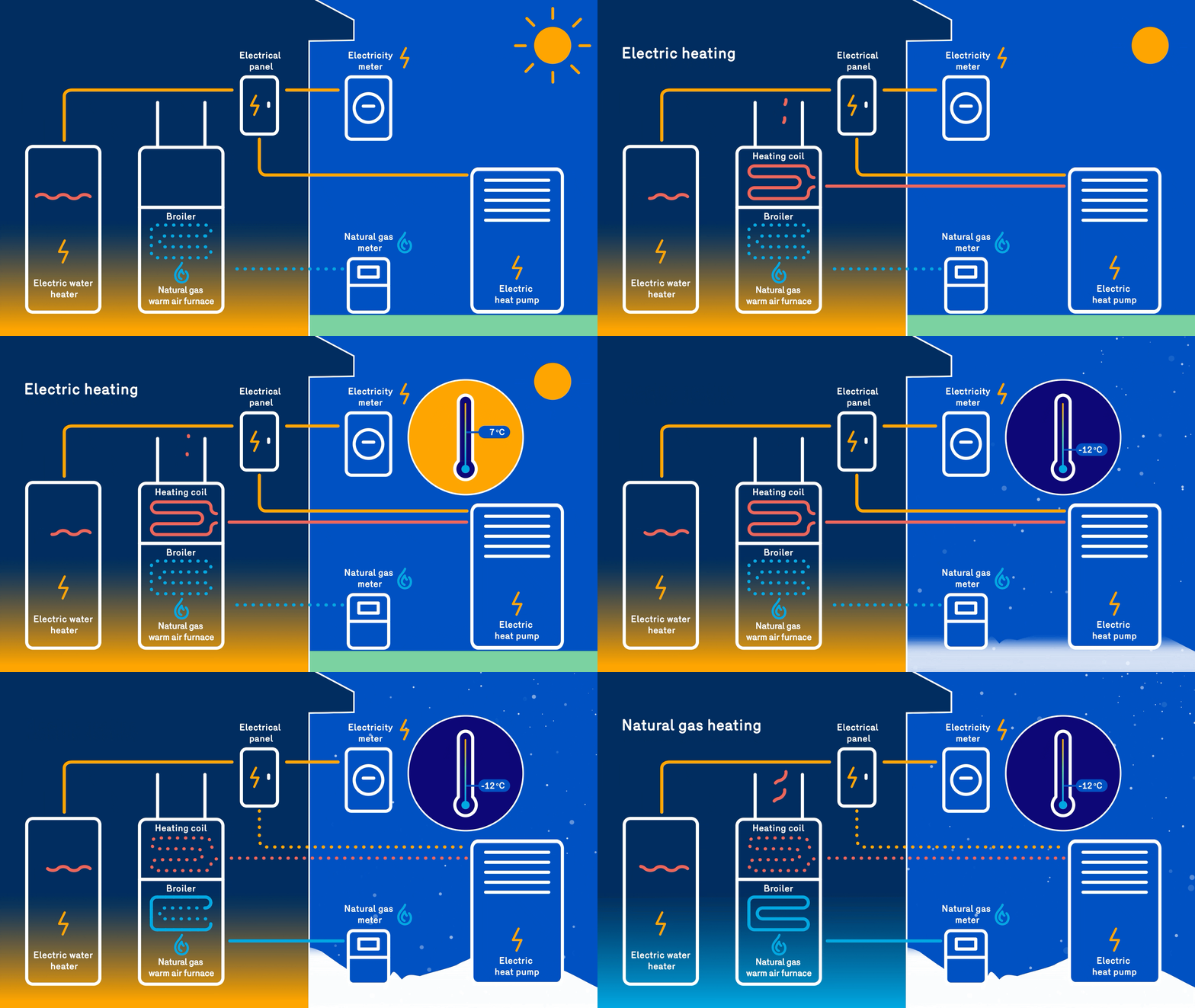
Dual-energy hybrid HVAC systems, also known as dual-energy systems, are among the most common types of hybrid HVAC systems. As the name suggests, they use two energy sources to meet a building’s heating needs, typically natural gas and electricity. Hybrid operation can be achieved in two ways: through the use of equipment powered by two energy sources, such as hybrid rooftop unit, or by integrating electric equipment into a natural gas system, such as a heat pump paired with a natural gas boiler.
What are the benefits of a dual-energy hybrid HVAC system?
If you own or manage a building heated by natural gas, transitioning to a hybrid heating solution that combines natural gas and electricity can offer several benefits.
- 1
Improve energy efficiency
Dual-energy systems use each energy source within its optimal performance range. Electric equipments (e.g., heat pumps) generally maintain high energy efficiency at moderate temperatures. In very cold weather, natural gas offers more stable performance and can be a more cost-effective heating solution, depending on the equipment installed and energy costs. Energy consumption is therefore better adapted to actual conditions, which reduces efficiency losses and ensures more consistent overall performance throughout the year.
- 2
Increase occupant comfort
The integration of dual energy typically involves adding electric equipment, such as a heat pump, to an existing natural gas heating system. In addition to contributing to the building’s heating needs, this equipment can also provide cooling and ventilation, creating a more complete and versatile HVAC solution. It can cool indoor spaces during the summer and help maintain consistent indoor comfort throughout most of the year, while natural gas takes over during periods of extreme cold. The result: improved year-round comfort, more uniform temperatures, and a more comfortable environment for occupants.
- 3
Improve energy resilience
By leveraging complementary energy sources, a hybrid system can help enhance a building’s energy resilience. When designed with this objective in mind, a dual-energy system can allow one energy source to take over from the other when constraints arise, helping maintain occupant comfort and business continuity. This flexibility reduces vulnerability to certain energy-related disruptions and strengthens a building’s ability to adapt to changing conditions.
- 4
Reduce the environmental footprint
By reducing reliance on a fossil fuel source such as natural gas, a dual-energy system can help lower fossil fuel-based GHG emissions associated with building heating. It can therefore support property managers pursuing decarbonization efforts by helping them make progress toward their emissions reduction goals. This transition can also help enhance the appeal of their assets among prospective buyers and tenants who are attentive to environmental considerations.
- 5
Optimize energy costs through greater flexibility
By leveraging two complementary energy sources, a dual-energy system provides greater flexibility in meeting a building’s heating needs. This flexibility can help limit electrical demand charges and reduce electricity consumption during peak demand periods, which may result in more advantageous energy rates1.
Dual-energy hybrid HVAC systems: For what types of buildings?
Thanks to their flexibility, dual-energy systems can be suitable for a wide range of building types, including residential, multi-unit residential, commercial, and institutional buildings. They can be integrated as part of both retrofit projects and new construction. This approach is particularly well suited to buildings with significant or variable heating demands, especially during periods of extreme cold.
Good to know
Since every building is unique, we recommend consulting experts to determine the dual-energy system best suited to your needs. For large buildings (commercial, institutional and multi-unit buildings with 20 or more units), we suggest starting with a feasibility study to establish your priorities and identify the best measures to optimize your building’s energy efficiency.
Discover how dual energy is already making a difference for our customers
See how organizations across Québec have adopted electricity and natural gas dual energy systems to achieve significant energy cost savings while reducing their carbon footprint.
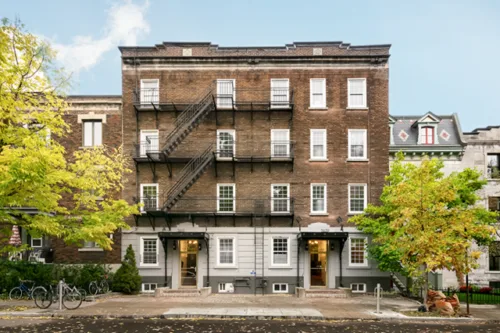
Hélisis
By integrating high-temperature air-to-water heat pumps and complementary electric equipment, Helisis converted two multi-residential buildings to dual-energy and achieved energy cost savings of nearly 40% within the first six months of operation.
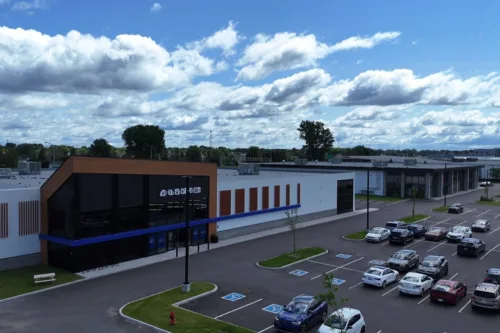
Groupe Robin
By integrating dual energy from the design stage of a new 30,500 sq. ft. commercial building, Groupe Robin reduced its carbon footprint, secured more than $223,000 in incentives, and created lasting value for its tenant.

Collège Bourget
By combining dual energy with several energy efficiency measures, Collège Bourget is modernizing its energy infrastructure while targeting an 87% reduction in GHG emissions and annual savings of $176,000.

Residential Dual Energy Customer Stories
Homeowners such as Jean-Claude, Frédéric and Jocelyne chose dual energy to lower their energy costs, modernize their heating and cooling systems, and contribute to the energy transition.
Legal notices
- Depending on the building’s energy consumption profile and the energy rates in effect.
- Conditions apply.