


Unlike energy efficiency, which aims to reduce energy consumption per unit of output, energy productivity measures the economic value created per unit of energy consumed. In other words, it’s about doing more with the same amount of energy.
Increasing the energy productivity of an activity or process optimizes the value of every dollar invested in energy. It therefore becomes possible to reconcile decarbonization with economic growth.
For example, to increase energy productivity:
- eliminate energy loss and waste (Lean Energy approach) by optimizing production through automation or waste heat recover.
- implement an energy management system (EMS) to measure, analyze and manage energy consumption (processes, equipment, activities, etc.) to continuously optimize energy use.
- roll out new technologies to record and control energy use in real time and optimize management through digital intelligence (Industry 4.0).
- reduce production equipment losses and outages, increase productivity with better equipment, or eliminate bottlenecks in a production line.

The right recipe for doing more with less
Thanks to a high-temperature heat pump that recovers heat from the chilled water system then preheats and distributes it to various processes, the Lassonde plant in Saint-Damase was able to save about 80,000 m³ of natural gas and reduce its GHG emissions by 151 tonnes in the first year.3
Good to know
In 2022, Quebec’s energy productivity fell for the first time since 2009. This means that energy consumption has grown faster than wealth (as measured by gross domestic product GDP).1
Case studies
Read these case studies to learn how many of our customers have optimized their energy productivity while reducing their natural gas consumption.
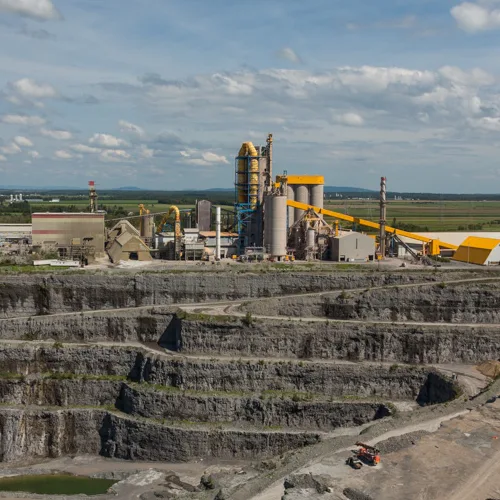
Ciment Québec
By investing in a new cement crushing facility, the Ciment Québec plant has reduced its natural gas consumption by more than 4 million m3.
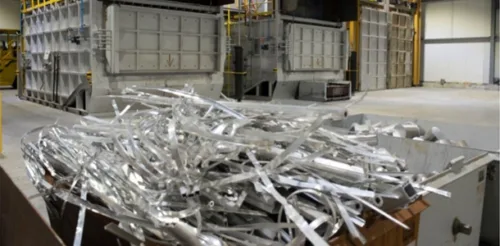
Shawinigan Aluminium
New high-efficiency furnaces have helped the company optimize production while reducing annual energy consumption by nearly 2 million m3 of natural gas.
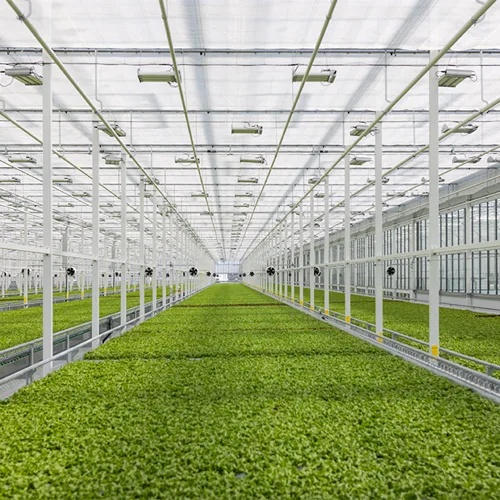
Harvest efficiency
Find out how the right energy efficiency measures can significantly reduce energy bills and improve profitability for greenhouse businesses.

Legal notices
- Source: White paper, “PRODUCTIVITÉ ÉNERGÉTIQUE - AMORCER LA DÉCARBONISATION EN STIMULANT L’ÉCONOMIE,”, HEC Montréal, 2019: https://energie.hec.ca/wp-content/uploads/2019/12/PE2019.pdf (opens in new tab)
- Source: État de l’énergie au Québec 2025, HEC Montréal: https://www.regie-energie.qc.ca/fr/participants/dossiers/R-4287-2024/doc/R-4287-2024-C-AQPER-0016-Audi-PiecesAudi-2025_03_13.pdf (opens in new tab)
- For more information on the methodology used to calculate greenhouse gas (GHG) emissions reduction data, see our Methodologies page. (opens in new tab)
- Certain conditions apply. Grants listed are subject to change. Check each grant’s webpage for eligibility criteria.