


Planning to build a new building or have one built? Choosing energy-efficient construction means investing in a building that costs less to operate year after year.
By optimizing energy performance from the design stage, your spaces will be more comfortable for occupants while reducing operating expenses. It’s a strategic choice that protects your budget throughout the entire life cycle of the building.1
Understanding energy-efficient construction
Energy-efficient construction is based on a number of features designed to reduce energy consumption and maximize efficiency.
Here are the key things to consider in your project or discuss with your contractor:
- 1
Superior insulation and sealing:
Walls, roofs and floors with a high thermal resistance value (R-value) help minimize heat loss in the winter and cold loss in the summer.
- 2
High-performance windows:
Triple-glazed, low-E windows with PVC2 frames help keep heat in during the winter and out during the summer.
- 3
An efficient heating, ventilation and air conditioning (HVAC) system:
A high-efficiency or geothermal heat pump or a condensing boiler combined with efficient equipment and smart thermostats can maximize energy savings whilemore easily maintaining your building’s temperature. Since 2012, new construction must also be equipped with a heat/energy recovery ventilator,3 which uses the heat released by your HVAC system for preheating while purifying it.
- 4
Use of renewable energy:
For example, geothermal energy to heat the air or solar energy to preheat the air or water.
- 5
Energy-efficient equipment and lighting:
including LED bulbs and ENERGY STAR certified equipment, can significantly reduce energy consumption—up to 30%4 for equipment5 and up to 90%6 for light bulbs.7
- 6
Sustainable materials:
Using sustainable materials contributes to both energy efficiency and comfort. Options include wood from local or renewable sources, insulating concrete, or white or vegetated roofs to limit the heat island effect.
- 7
Bioclimatic design:
Bioclimatic design optimizes building orientation and layout to take advantage of natural climate conditions. One example is strategically placed windows to maximize winter sunlight and avoid overheating in summer, improving comfort and energy efficiency.
Benefits of energy-efficient buildings compared to conventional buildings:
Over the lifecycle of a commercial or institutional building, approximately 5% of costs are associated with design, 20% with construction and 75% with operation and maintenance. This means that a modest upfront investment can deliver an attractive return.8
Beyond operating cost savings, energy-efficient buildings offer a number of concrete benefits that improve both building performance and occupant comfort:
- Potentially lower energy bills and GHG emissions. According to the Canada Green Building Council, for example, a LEED-certified building emits 34% less CO2 and consumes 25% less energy and 11% less water than a conventional building9
- Increased comfort through superior thermal and acoustic insulation
- Better indoor air quality thanks to a high-performance HVAC system
- Enhanced durability thanks to superior insulation and sealing
- Increased asset value: According to a recent study, the value of a sustainably designed building can increase by up to 45% within 10 years of construction
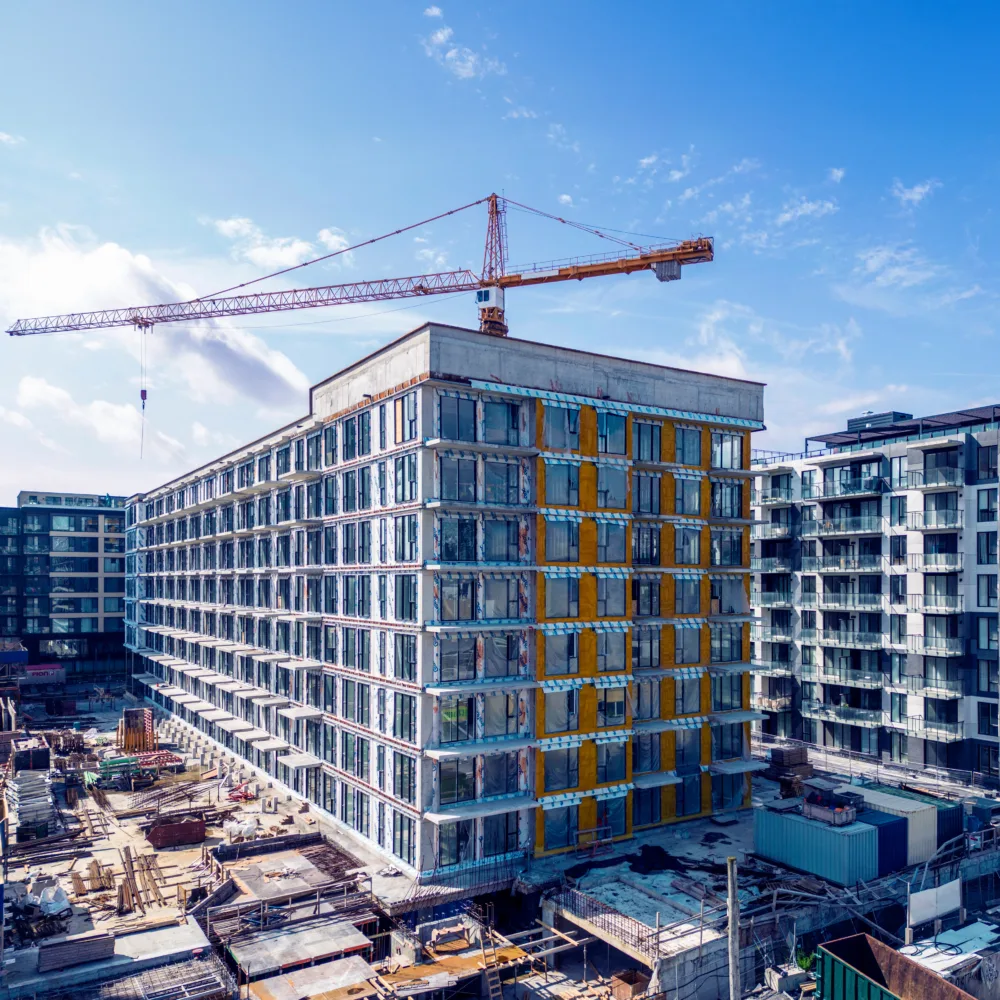
New building certifications and standards such as LEED BD+C and ZCB-Design confirm energy performance and provide a competitive advantage in a market that is increasingly sensitive to environmental issues.